Skip to content
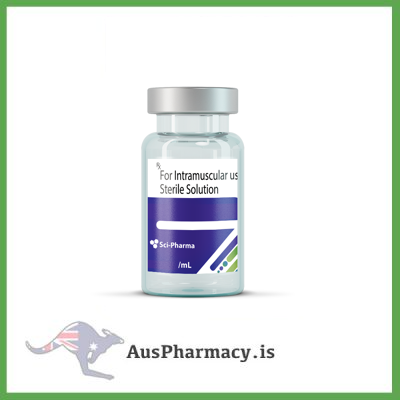
Sci-Pharma Bacteriostatic Water (Bac Water) is designed specifically for laboratory and research purposes. It is a pharmaceutical-grade sterile solution that contains 0.9% benzyl alcohol, an agent that inhibits bacterial growth, enabling multiple withdrawals from the same vial under aseptic conditions.
1. What Is Bacteriostatic Water?
Bacteriostatic water is sterile water for injection that includes a small concentration of benzyl alcohol as a preservative. The term “bacteriostatic” means that the water prevents the growth of bacteria, rather than killing them directly. This distinction is crucial — it allows a single vial to be used several times safely without introducing contamination.
Each vial of Sci-Pharma Bacteriostatic Water undergoes strict quality control, ensuring that it meets laboratory standards for purity, sterility, and consistency. It is pyrogen-free and designed for controlled environments such as research institutions and educational labs.
2. The Role of Benzyl Alcohol
The 0.9% benzyl alcohol content is what distinguishes bacteriostatic water from ordinary sterile water. Benzyl alcohol acts as a preservative and microbial growth inhibitor, preventing contamination from repeated punctures during laboratory use.
Chemically, benzyl alcohol is a colorless liquid with a mild aromatic scent. Its inclusion helps ensure that even when a vial is accessed multiple times — using proper aseptic technique — the water remains uncontaminated. This characteristic makes bacteriostatic water an essential multi-use reagent in controlled environments.
3. Common Laboratory and Educational Applications
a. Reconstitution of Lyophilized Compounds
Many laboratory compounds are supplied in powdered form (lyophilized). Before use, they must be reconstituted with a sterile liquid. Sci-Pharma Bacteriostatic Water provides a stable, contamination-resistant medium for this process, ideal for repeated sample preparation.
b. Dilution and Sample Preparation
Accurate dilution is vital for experimental reproducibility. Bacteriostatic water allows researchers to prepare consistent dilutions while maintaining sterility throughout the workflow.
c. Veterinary and Biomedical Research
In veterinary laboratories or pre-clinical environments, bacteriostatic water is sometimes used as a diluent or control in animal model research, emphasizing aseptic technique and procedural consistency.
d. Educational Demonstrations
In academic settings, it is a key teaching material for microbiology, biochemistry, and pharmacology students learning aseptic methods, sterile transfer, and the principles of microbial inhibition.
4. Handling and Storage Guidelines
Proper handling ensures both safety and effectiveness:
-
Always sanitize the vial stopper with alcohol before drawing the liquid.
-
Use sterile syringes and needles for each withdrawal.
-
Store between 15–30°C, away from direct sunlight.
-
Keep vials sealed when not in use.
-
Once opened, vials may remain usable for up to 28 days, depending on local laboratory policy and storage conditions.
-
Dispose of any discolored or cloudy solution immediately.
By adhering to these guidelines, laboratory personnel can maintain aseptic conditions throughout experimental procedures.
5. Differences Between Bacteriostatic and Sterile Water
| Characteristic | Sterile Water | Bacteriostatic Water |
|---|---|---|
| Preservative | None | 0.9% Benzyl Alcohol |
| Multi-use capability | Single use | Multiple withdrawals |
| Bacterial growth inhibition | No | Yes |
| Shelf life after opening | Hours | Up to 28 days |
| Typical use | Single-injection applications | Multi-use laboratory settings |
This comparison highlights why bacteriostatic water is the preferred option for ongoing laboratory research or teaching applications requiring multiple sterile withdrawals.
6. Quality Standards and Manufacturing
Sci-Pharma’s Bacteriostatic Water is produced following Good Manufacturing Practices (GMP) and conforms to pharmacopeial specifications (USP/EP). Each batch undergoes:
-
Sterility Testing – ensuring no microbial contamination.
-
Endotoxin Testing – verifying the solution is pyrogen-free.
-
Chemical Purity Analysis – confirming precise 0.9% benzyl alcohol concentration.
-
Visual Inspection – ensuring clarity and absence of particulates.
Each vial is labeled with batch number, manufacturing date, and expiry date, ensuring traceability and laboratory compliance.
7. Educational Significance
For students and trainees in life sciences, bacteriostatic water demonstrates fundamental concepts such as:
-
Aseptic handling and contamination control.
-
The chemistry of preservatives and microbial inhibition.
-
Laboratory safety and sterile technique.
-
Experimental reproducibility and accuracy.
Using real-world materials like Sci-Pharma Bac Water provides hands-on insight into how laboratory sterility is maintained — an essential skill for future researchers.
8. Safety and Compatibility
While bacteriostatic water is extremely useful, users should always ensure compatibility with the compound being reconstituted. Certain sensitive peptides or proteins may react negatively with benzyl alcohol.
Safety recommendations include:
-
Using only in a controlled research setting.
-
Avoiding unverified combinations with reactive substances.
-
Reviewing the product’s Safety Data Sheet (SDS) before laboratory use.
-
Following institutional guidelines for aseptic practice and waste management.
9. Environmental Responsibility and Disposal
Used or expired bacteriostatic water must be discarded responsibly:
-
Dispose of vials according to institutional biohazard or chemical waste protocols.
-
Do not pour unused liquid into drains.
-
Clean any spills using absorbent pads and disinfectants.
-
Maintain records of reagent disposal as part of laboratory compliance.
10. Ethical and Regulatory Considerations
Sci-Pharma explicitly labels this product as “For Laboratory and Research Use Only.” It is not intended for human therapeutic or medical application. Laboratories must follow ethical standards and national regulations governing chemical and biological material handling.
This includes:
-
Limiting access to trained personnel.
-
Maintaining an updated reagent inventory.
-
Ensuring transparent documentation of usage.
Conclusion
Sci-Pharma Bacteriostatic Water (Bac Water) is a vital component in sterile laboratory operations, offering superior safety and convenience for multi-use experimental environments. With 0.9% benzyl alcohol for microbial inhibition, it combines sterility, reliability, and practicality, making it invaluable for research, education, and laboratory-controlled reconstitution tasks.
Through proper training and ethical use, it serves as both a functional reagent and a teaching tool, reinforcing the importance of aseptic technique, contamination prevention, and the principles of laboratory hygiene.
In essence, Sci-Pharma Bac Water stands as a trusted element in the toolkit of scientists, educators, and students striving to maintain sterile integrity and research precision.